A BCBA-owned practice in Rolesville, NC
Second Chance ABA serves adolescents and young adults ages 7 to 21 across Rolesville, Wake Forest, Raleigh, and the rest of Wake County. The owner is a Board Certified Behavior Analyst, and the owner is in the work.
A gap in services shouldn't mean a lapse in services
In my experience, a majority of providers have found their calling in early intervention, one step toward effective long-term success. However, some families don’t learn about ABA until their child is 13 or more often than not, their child has graduated from the early intervention clinic, and now they’re not sure where to look. Second Chance ABA was created to make the transition from early childhood to adolescence easier, help families navigate novel challenges, and be in the room with you while your 6-foot-tall 14-year-old is having difficulties regulating their emotions.
We work with children, adolescents, and young adults, and we teach the people around them too, because a plan that only works during session hours is not much of a plan.
Founder and Clinical Director
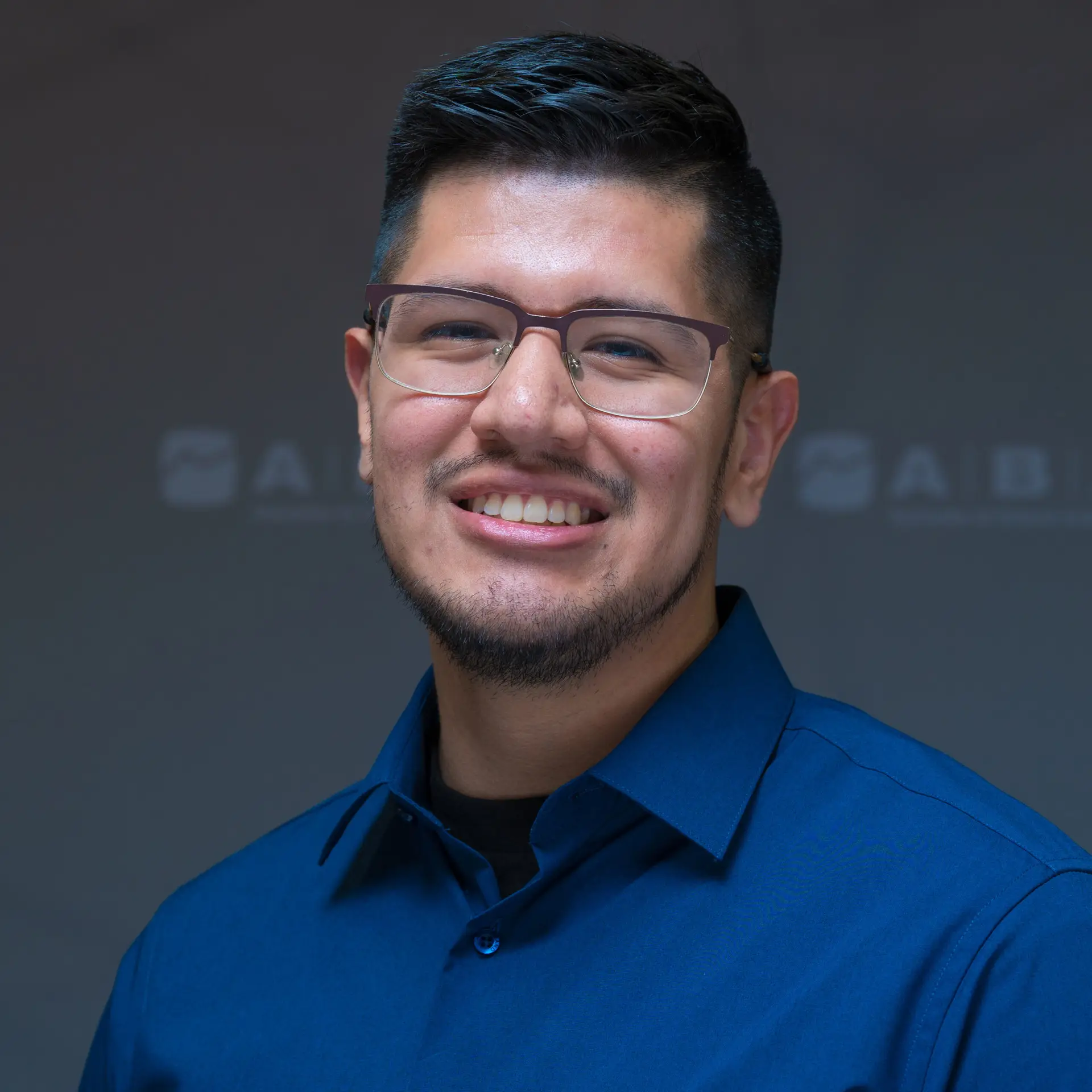
The owner is on your case, not just on the letterhead
A clinician runs this practice
Decisions about your child's programming are made by a Board Certified Behavior Analyst, not by a regional manager working from a utilization report.
Caseloads stay small on purpose
Six to eight clients per BCBA, and six to eight technicians per BCBA. That is a cap, not an aspiration. It is the reason we can answer the phone.
Supervision is a number, not a vibe
Supervision equal to at least 10% of every technician's delivered hours, a minimum of two BCBA contacts per client per month, and notes filed within 24 hours.
Caregiver training is not an add-on
Every plan we write includes training for the adults in the room. Parents, caregivers, and where appropriate the young adult themselves. A behavior plan that only runs when a technician is present is a plan that will not survive discharge.
We work on the things that actually change a day: aggression, property destruction, self-injury, elopement, communication, social skills, transitions, routine change, and adaptive and independent living skills.
- Supervision equal to at least 10% of every technician's delivered hours
- A minimum of two BCBA contacts per client every month
- Supervision notes filed in the client record within 24 hours
- A deliberately small caseload: 6 to 8 clients per BCBA
- A monthly written progress note on every client
- Session notes filed within 24 hours of the session
Want to talk it through?
Call and you will reach someone who can actually answer questions about clinical fit, insurance, and timelines.